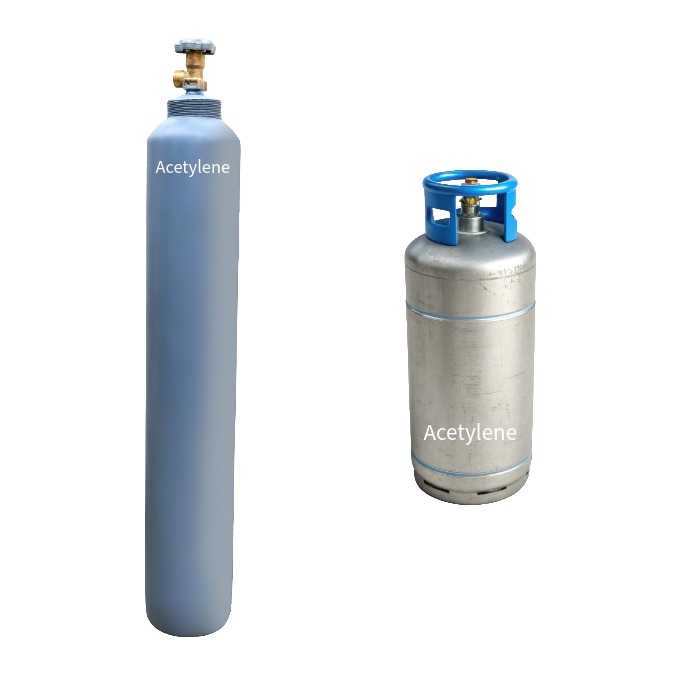
Our Hazardous Waste collection and disposal services are designed to make responsible disposal easy and environmentally friendly. We provide convenient collections and scheduled pickups for unwanted gas cylinders, ensuring they are safely transported and processed in compliance with environmental regulations.
Get in touch today and our team will help you to get your hazardous waste collected & disposed of safely.
Contact our team today and we will get the details required to help you organise the collection of your hazardous waste.
We will the provide you with a quote for hazardous waste collection and arrange a collection day to suit you.
Our trained waste carriers will collect the hazardous waste then transport them to licenced recycling centres.
We provide you with the correct storage containers to store your hazardous waste. Once filled our team will collect the containers and be able to transport the waste safely. Various sizes are available to suit your needs and quantity of hazardous waste.
Titan Sky Hazardous Waste Collection and Disposal Services
CALL NOW Get a QuoteAt Titan Sky Ltd, we specialise in the safe, compliant collection and disposal of hazardous waste across the UK. Our process begins with a thorough waste audit to identify and classify materials in line with EWC codes and COSHH regulations. Waste is then securely packaged, labelled, and transported by our licensed carriers using ADR-compliant vehicles. We ensure full traceability through Waste Transfer Notes and Hazardous Waste Consignment Notes, and dispose of materials at authorised treatment facilities via methods such as incineration, chemical neutralisation, or specialist recycling. Our approach prioritises environmental protection, legal compliance, and client peace of mind.
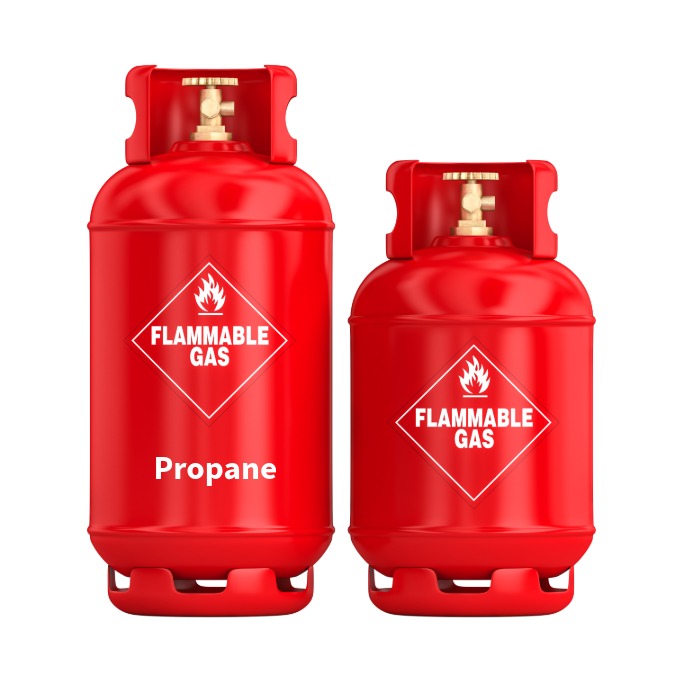
LPG cylinders are commonly used for heating, cooking, and industrial applications. They are pressurised containers holding propane or butane gas and are highly flammable gasses.
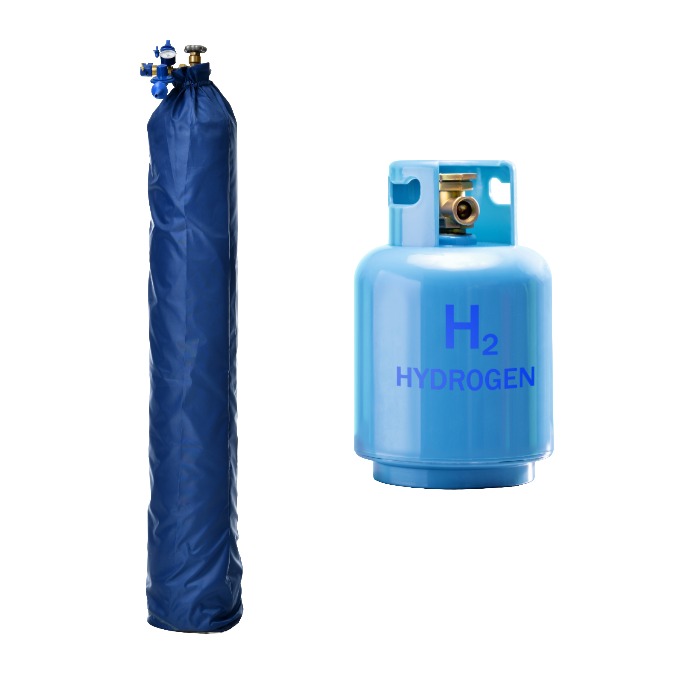
Industrial cylinders are used in welding, cutting, manufacturing, and food processing.
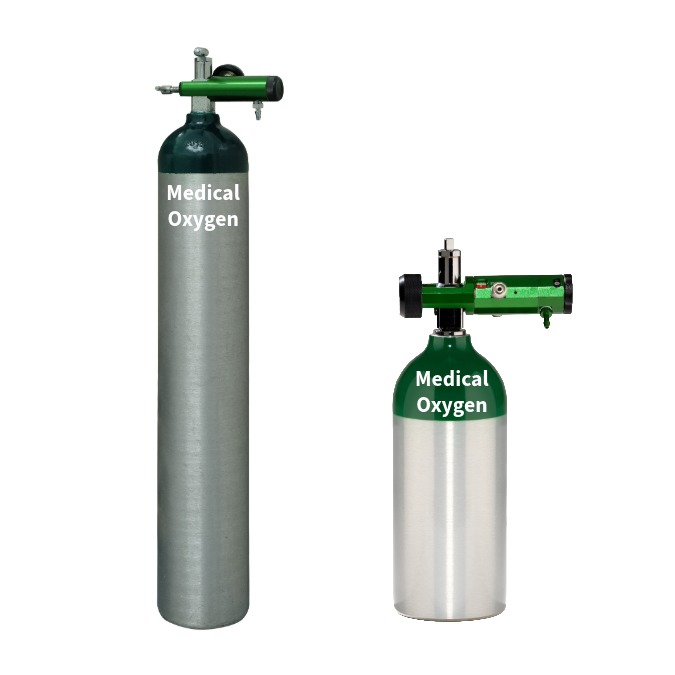
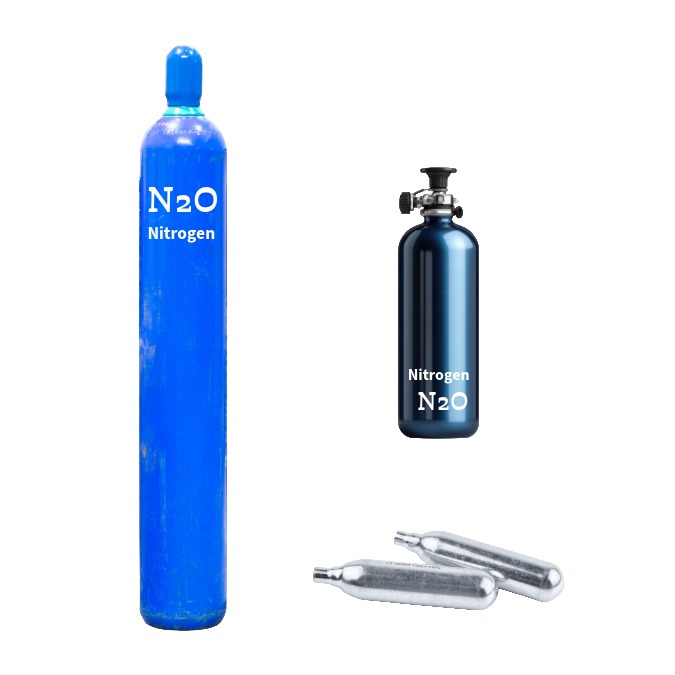
Typically used in Hospitals, Clinics, Dentists and Veterinary Clinics
Used in HVAC, Refrigeration, Automotive Industry, Pharmaceutical/Healthcare, Marine/Aviation and in Manufacturing and Industrial Processes.
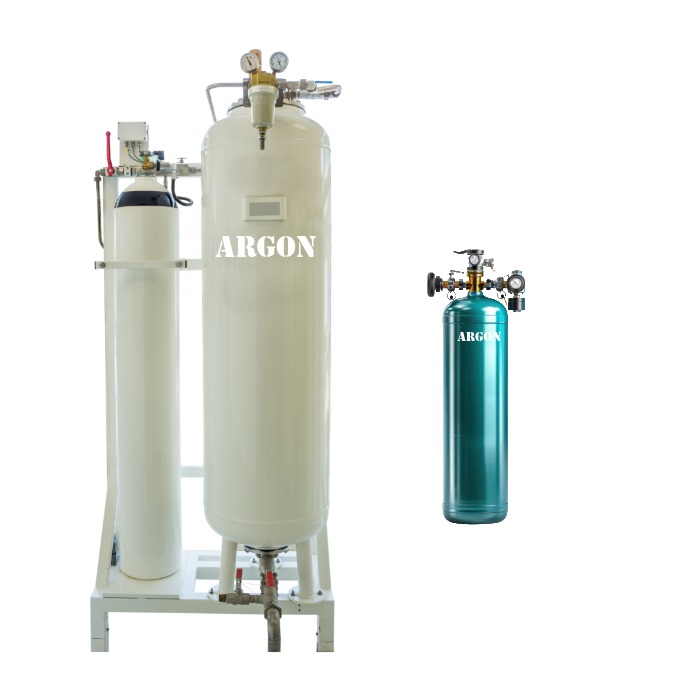
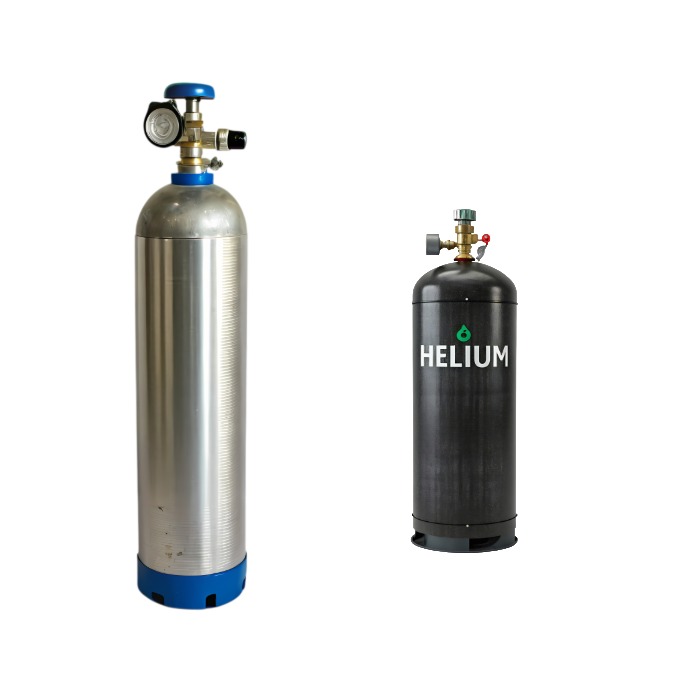
Contain rare or high-purity gases for laboratories and research, requiring extra care during handling.
Fire suppression systems use specialized cylinders filled with gases designed to extinguish fires quickly and safely without damaging equipment or leaving residue.
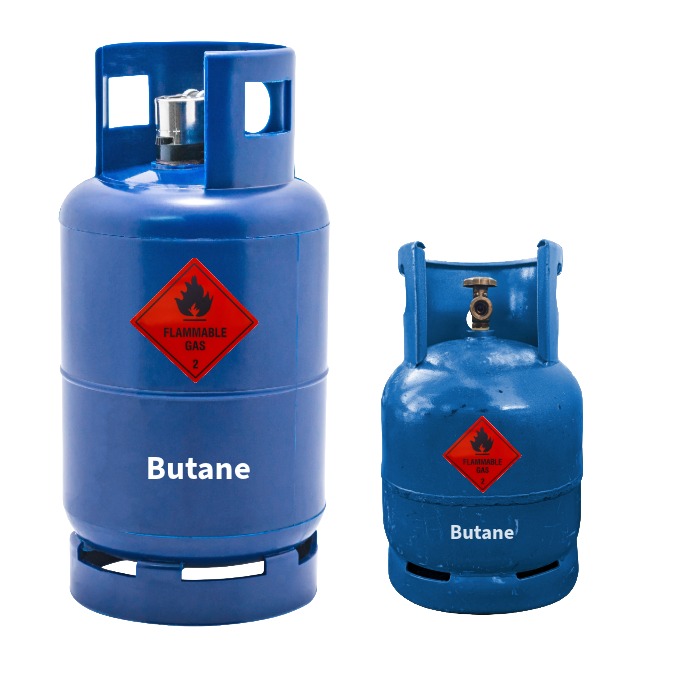
Smaller gas canisters commonly used for portable stoves, heaters, and lanterns.
Used in various industries and households
Hazardous waste is any material that poses a risk to health or the environment due to its chemical, biological, or physical properties. It must be handled and disposed of in compliance with UK regulations.
There are many hazardous waste types from all kinds of industries and even households, that we all use on a daily basis.
Here are some of the common hazardous waste types:
The European Waste Catalogue (EWC) assigns a six-digit code to each waste type. Hazardous waste codes are marked with an asterisk (*). These codes are required for waste transfer notes and compliance documentation.
Here are some EWC code examples for hazardous waste:
Hazardous waste must be stored in secure, clearly labelled containers that are compatible with the waste type to prevent leaks or reactions. Containers should be kept in a designated, bunded area away from drains and watercourses, with spill kits readily available. During transport, waste must be accompanied by a Hazardous Waste Consignment Note, and only licensed carriers should be used. Vehicles must be suitable for the waste type, and all packages should comply with ADR regulations for dangerous goods. Proper documentation and segregation are essential to ensure safety and legal compliance throughout the process.
No, we don't allow drop-offs at our facility. Please call us to arrange a collection to ensure safe handling, transport and compliance with site safety protocols.
Cylinders are inspected, depressurised, and either refurbished for reuse or recycled as scrap metal. Hazardous residues are treated according to UK waste management standards.
Yes, we issue Waste Transfer Notes and Certificates of Disposal for compliance and audit purposes.
We do not accept cylinders containing unknown substances or radioactive materials. Please contact us for guidance if you are unsure.
Collection is typically arranged within 3–5 working days. However, we can arrange same day or next day collections subject to availability and location.
Absolutely. We operate under the Waste (England and Wales) Regulations 2011 and adhere to Health & Safety Executive (HSE) guidelines for handling pressurised containers.
contact us